How to build an onboarding checklist that actually works
A good onboarding checklist isn’t a list of forms to sign: it’s a shared plan that brings HR, managers and IT together. Here’s how to design one, step by step.
Performance reviews · 4 min read
A performance review can be a formality or the most useful moment of the year. How to prepare it, run it and turn it into concrete commitments for both the employee and the manager.
In many companies the performance review comes around once a year, often late, and both sides treat it as a form to fill in. The manager tries to remember what happened over twelve months, the employee waits to find out whether there will be any consequences for their pay, and in the end all that remains is an archived document nobody reads again.
Yet the review is one of the few moments when a person and their manager stop to talk about the work instead of doing it. Prepared and run well, it clarifies expectations, brings to the surface obstacles that would otherwise stay hidden, and gives direction to the months ahead. The difference lies not in the form, but in how the process is experienced.
The value of a review lies not in the completed form, but in the commitments that come out of it.
An improvised review relies on the most recent memories and on impressions. To avoid this, both sides should come with material: the objectives agreed for the previous period and where they stand, concrete examples of work done, feedback gathered during the year, and the skills they had decided to work on.
A self-assessment, completed by the employee a few days beforehand, is a valuable tool. It prompts reflection on the period, brings to the meeting perspectives the manager may not have, and shifts the conversation from judgment to dialogue. The manager, in turn, should read it before the meeting, not during it.
Time needs preparing too: a dedicated hour without interruptions says more than any statement of principle.
To prepare before the review
It is best to let the employee speak first, starting from their self-assessment. Really listening, asking questions and asking for examples puts the review on the footing of a dialogue. When it is time for the manager’s feedback, the rule is to stick to the facts: observed behavior and results, not judgments about personality.
Pay is a sensitive subject. Discussing growth and raises in the same meeting tends to pull all the attention toward the latter, and makes people less willing to talk openly about their difficulties. Many companies prefer to keep the two conversations separate, or at least to explain beforehand how reviews feed into pay decisions.
Finally, the review should work both ways: asking the employee what the manager could do to help them is often the most useful question of the meeting.
A review that disappoints
A review that works
Whatever is not written down at the end of the review tends to fade within a few weeks. The outcome should be a short shared document: a summary of the assessment, new objectives with realistic deadlines, the skills to work on and the concrete actions to get there, whether a course, a period of mentoring or a different assignment.
This is where AI can speed things up, suggesting a first draft of a growth plan based on the skills expected for the role and the training resources available. It remains a draft: it is the employee and the manager who decide what is realistic and what truly matches the aspirations of the person who is meant to grow. Confirmation from both, even if only digital, makes the commitment mutual.
A one-off annual review rarely changes anything. It is far more effective to back it up with short check-ins during the year, even half an hour long, to track progress on objectives and adjust them if circumstances have changed. That way the next review surprises no one: it becomes the summary of a path already traveled together.
Consistency between managers matters too. If each of them interprets the rating scale in their own way, results cannot be compared and people notice. A short calibration session among managers, before reviews are finalized, helps everyone use the same yardstick.
In People, objectives, self-assessments, reviews and growth plans sit in the employee’s file, AI suggests development paths based on skills, and reminders flag the mid-point check-ins. The tool helps keep track, but the quality of the conversation stays in the hands of whoever leads it.
Keep reading

A good onboarding checklist isn’t a list of forms to sign: it’s a shared plan that brings HR, managers and IT together. Here’s how to design one, step by step.
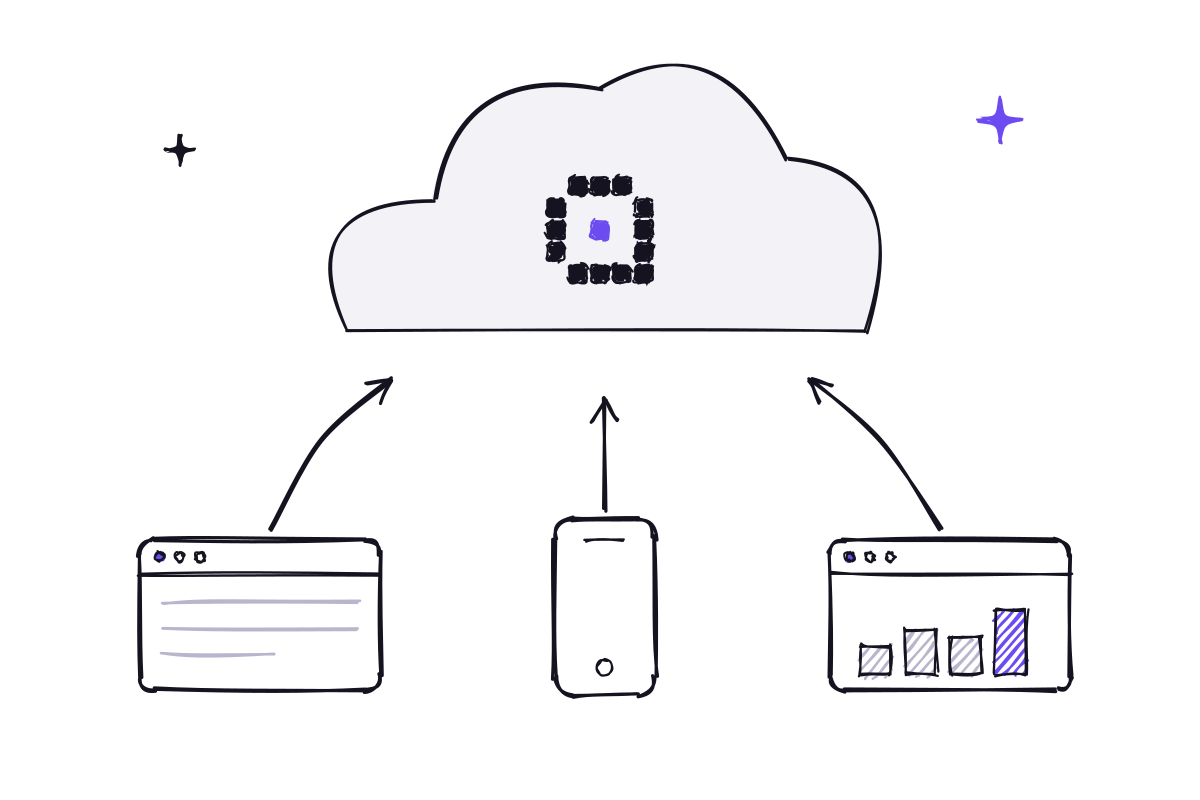
Contracts, documents, certifications and deadlines in one place: how to organize the employee file so it is complete, up to date and accessible only to those who need it.
Innovaq is a company in its launch phase.